Kit for family ski trips
Family ski holidays for beginners start with a kit decision, not a destination one: buy a small set of beginner ski and snowboard items sized for children on gentle slopes, and the trip works because the gear fits a first week of learning. A workable first package runs to about 4 items per child: 1 ski or snowboard, 1 helmet, 1 pair of waterproof gloves, and 1 set of ski socks. The same buying logic extends beyond the slopes. The Ski holiday kit you pack for the mountains also covers the flat water that many family holidays add, so one trip can hold both disciplines without a second gear run. That single set of rules is what separates a smooth first year from a season of broken bindings and boots that stop fitting at the 15 cm mark.
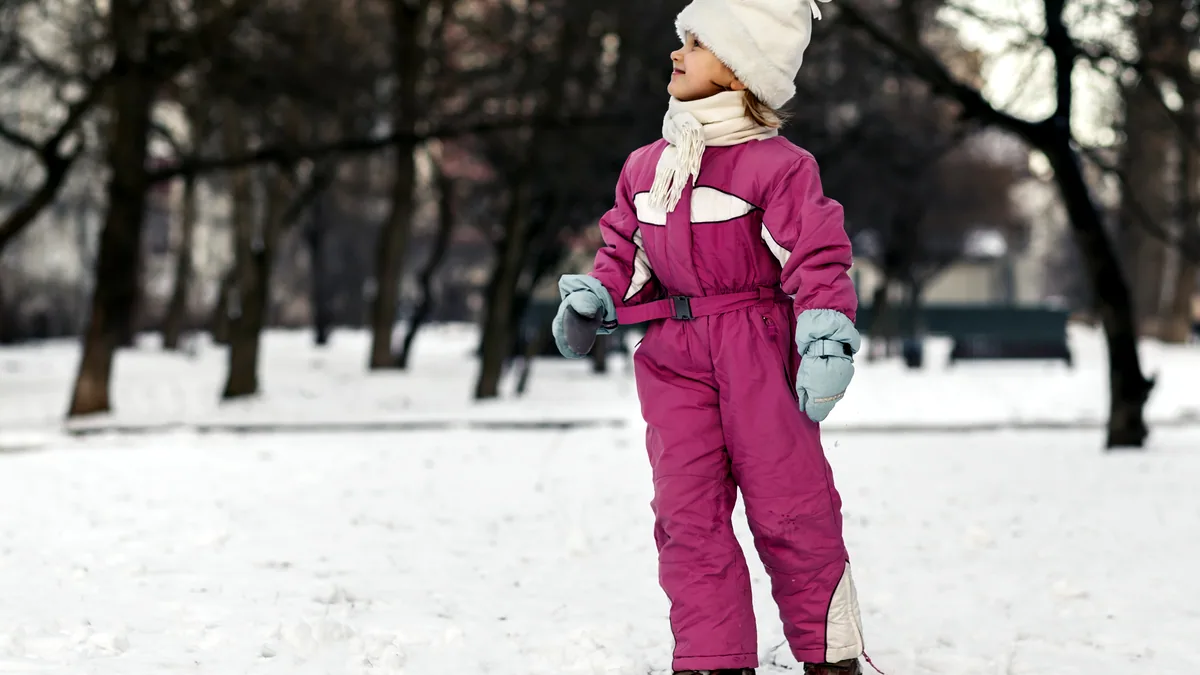
The rule that keeps the budget honest is simple: rent the heavy items you use for 1 week, and buy the small items that touch the skin or grow with the child. You will Pick the destination for your ski package after the kit list is settled, because the run lengths and lift layout decide whether a child's first board is a ski or a snowboard. And the longer view is that the Ski, snowboard and watersports kit, bought end to end in the right size band, is the one that gets reused across 3 or 4 seasons instead of being stored in a garage and forgotten by February.
What a first family ski trip actually needs
The kit that carries a first family ski trip is the smallest set that keeps every child warm, protected, and able to control speed on a gentle slope. It is not a full mountain wardrobe, and it does not need to be: the 4 items above cover the safety-critical jobs, and everything else is comfort. The list below is the one that holds for a 6 to 10 year old on their first 2 to 3 days of the slope.
- 1 ski or 1 snowboard, chosen by the run layout you plan to use
- 1 helmet, sized to the head and worn on the lift as well as on the snow
- 1 pair of waterproof gloves, which lose grip when they take on water
- 1 pair of ski socks, worn in place of the thick everyday pair that traps moisture
Why you buy small and rent heavy
You buy the small items and rent the heavy ones because the small items are the ones that change size every season. A child grows through 3 boot sizes in a single winter, so a 245 euro boot bought in October stops fitting by January, while a helmet and gloves last the full season and often the next. Renting the ski or board for the first trip also lets you test whether the child leans toward the stability of a ski or the freer feel of a snowboard before you spend on either. The money you keep is better spent on 1 more day of lessons than on a boot that only fits for 6 weeks.
Sizing kids kit so it outlasts the season
Beginner kit that grows with kids is sized to the child's present height and foot length, then given one deliberate margin so it still fits at the end of the holiday rather than at the start. The two measurements that drive the whole decision are the child's height in centimetres and the foot length in centimetres, and both are rechecked each January before the next trip is booked. A board or ski that is 5 to 10 cm above the child's height at the start of the season is the size that still works when they grow through it in March, which is the exact opposite of the adult rule of buying for the present size.
The margin is also where the 4 sizes of kid boot come from: you buy the size that fits now with a thin sock and a firm heel, then you add 1 size of insole or a heated liner to close the gap as the season shortens the leg. A ski is measured to the chin of the child standing on flat ground, and a snowboard is measured to somewhere between the chin and the top of the head for a learner, because the longer board is the slower one. The table below sets the numbers out for the 3 height bands that most first-time families fall into.
| Child height | Ski length | Snowboard length | Boot size |
|---|---|---|---|
| 110 to 120 cm | 110 to 120 cm | 120 to 130 cm | 24 to 26 |
| 120 to 135 cm | 125 to 135 cm | 130 to 140 cm | 26 to 28 |
| 135 to 150 cm | 140 to 150 cm | 145 to 155 cm | 28 to 30 |
The same height band tells you the jacket and trouser size, and the one place where you buy for growth is the jacket, where a 1 season of growth is absorbed by the drawcord at the hem. Everything else is bought to fit this week, not next month, and the 2 cm of spare in a boot that you will never use is the cost of a season where the child cannot feel the edge.
Ski, snowboard or waterski: which one first
Water ski vs snow ski is a question of where the learning happens, and the answer for a family that has both a mountain and a lake on the same holiday is to take the snow first. Snow teaches balance and speed control on a surface that does not move, and the child then brings that balance to the water where the boat adds a second variable. The 2 disciplines share the same posture, the same 1 to 2 weeks of learning time, and the same safety rule that a helmet or a life jacket is worn from the first day. A child who has already spent 3 days on a beginner slope in the snow takes to the water in half the time, because the only new thing is the boat and the rope, not the balance.
The gear does not transfer between the two, which is why a family that wants both should rent the water ski and buy only the small protective items that carry over. The helmet, the gloves, and the sense of where to look when a turn starts all move from the mountain to the lake, but the skis, the bindings, and the board stay in their own element. A family that books 1 week of snow and 3 days of water on the same trip is running the full seasonal cycle, and the kit list above is the one that serves the first 7 of those 10 days.
Flat water vs still water for the first pull
Flat water is the right first water, and the rule is to choose a stretch that is flat rather than merely still, because a lake that looks calm at the shore can hold a 10 cm chop from a morning wind that the beginner never sees until they are 20 m out. Flat water has no visible ripples and no wake from other boats, which means the boat can hold a steady 30 km/h line without the skier fighting the surface. A still lake that holds a light breeze is not flat, and it will cost the family a full day of falling before the child gets 1 clean run. Michigan is one of the large lakes that gives families the flat, wind-sheltered bays they need for the first pull, and a bay that faces away from the prevailing wind is the bay to book. The same rule applies to a smaller alpine lake, where the morning is flat and the afternoon chop is the reason the first lesson is booked for 9 in the morning, not for 2 in the afternoon.
Packing for the mixed season
A family that mixes the two seasons packs one core of protective items and two sets of element-specific gear, and the core is what the whole holiday runs on. The core is the 1 helmet, the 1 pair of gloves, and the 1 jumpsuit that carries the name in the water section but is really a thermal base layer that works under a ski jacket and under a wetsuit alike. The jumpsuit is the single most reused item in the bag, because it is the 1 layer that stays dry against the skin in both cold air and cold water, and it is the 1 item that you buy for the child's present size and reuse for the next 2 seasons. The element-specific gear is the ski or board on one side and the water skis and the life jacket on the other, and both sets are rented for the trip and packed flat for the flight home.
The timing of the pack is the same as the timing of the buy: the small items go in the hold of the car a 3 days before the trip, and the heavy rented items are collected on the first morning at the mountain or the lake. A family that packs the night before is the family that forgets the socks, and the 4 items above are the 4 that go into the bag the moment the trip is booked. The kit that is packed early is the kit that is used on day 1, and the 1 day of early use is the difference between a holiday that starts with lessons and a holiday that starts with a queue at the rental desk at 8 in the morning.
Choosing the destination after the kit
The destination is chosen once the kit list is set, because the run layout and the water conditions decide which items on that list actually get used. A family whose child is 120 cm tall and learning on a gentle slope needs a mountain with a wide green run and a lift that takes a small board, and that is a narrower list of resorts than the one a 150 cm skier needs. The lake side of the choice is the same in reverse: the bay that holds a flat morning and a shallow learning zone is the bay that serves the first 3 days of the water, and it is the one that is booked before the mountain. A holiday that books both in the right order is the holiday where the child finishes the week on the water having already mastered the balance on the snow, and the kit list above is the one that carried them across both.
The one number that ties the whole choice together is the 1 week of lessons that a first family trip should include, because the 4 items of kit and the 2 elements of the holiday are all in service of those 5 to 7 lesson days. A family that books the kit first and the destination second and the lessons third is the family that goes home with a child who can ski and who can water ski, and the gear that made it happen is the small set that fits this season and the 2 that follow it.