Which snowboard brands to buy
Snowboard brands are the 20 or so manufacturers that design, press and sell the boards, boots and bindings a rider actually puts underfoot, and the one that fits your riding style, your budget and your season is the one that will keep you on the hill. The top tier in 2026 splits cleanly into a handful of names that dominate every resort shop from North America to Japan: Burton, 686, K2, Jones, and Lib Tech lead the all-mountain and freestyle shelves, while Faction, Capita, and Ride hold the park and directional ends of the board.
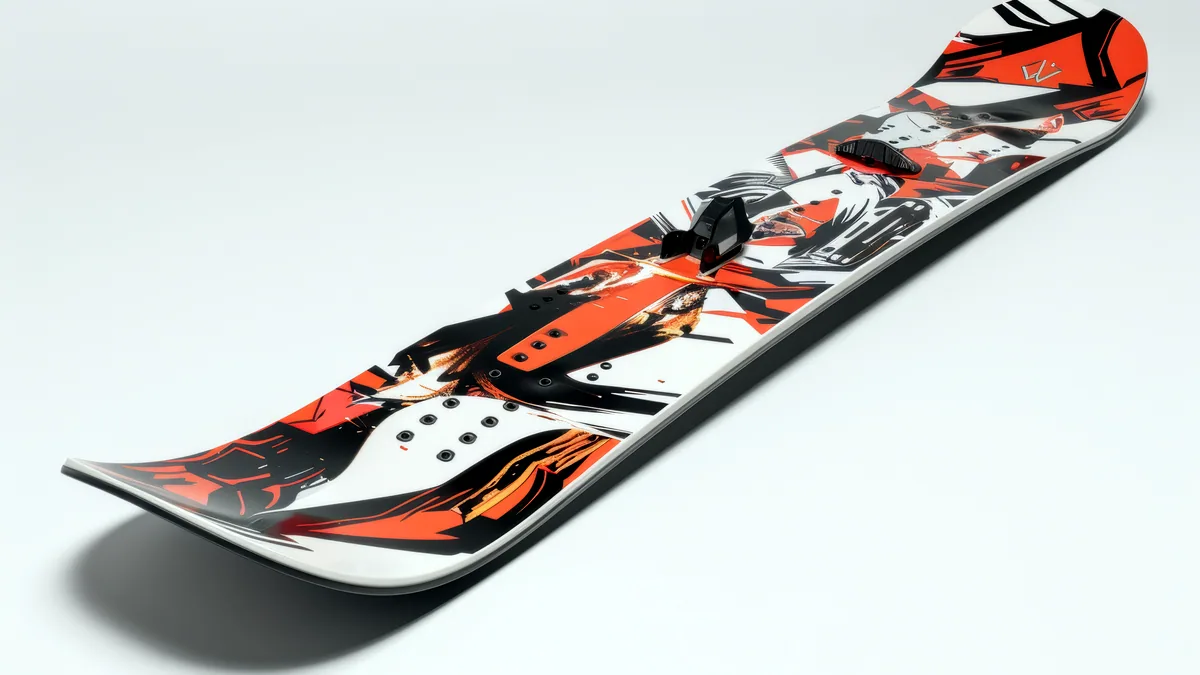
A Snowboard buying guide walks you through flex, shape, and profile before you commit a single euro or dollar to a purchase. If you are brand new to the discipline, start with What is snowboard cross before you decide whether a 3-stage race board or a 155 cm all-mountain board is the right first investment. Riders who are Learning to snowboard from zero will want a softer, wider board in the 150 to 160 cm range before they graduate to stiffer, narrower shapes. And a full Snowboard gear from board to boots breakdown makes sure the binding width, boot last, and board flex all agree with each other before you step on snow.
The top 7 snowboard brands ranked by riding style
The 7 snowboard brands that matter most in 2026 line up differently depending on where you ride, from a 12 m park to a 200 m backcountry slope. The table below ranks each brand on its strongest discipline, its entry-level price, and its flagship model so you can match a name to your actual riding day.
| Brand | Strongest style | Entry-level price (USD) | Flagship model |
|---|---|---|---|
| Lib Tech | All-mountain | 320 | Titan 165 |
| 686 | All-mountain / freeride | 290 | 1866 162 |
| Capita | Freestyle / park | 310 | Stratoflex 158 |
| Jones | Backcountry / splitboard | 450 | Moto 167 |
| Faction | Freestyle / park | 350 | Comet 155 |
| Capita (C4 line) | Directional / freeride | 340 | C4 163 |
| K2 | All-mountain value | 250 | Mini Team 159 |
The price spread above tells the real story: a 250 USD K2 all-mountain board and a 450 USD Jones backcountry board share the same basic wood-and-foam core construction, and the 200 USD gap buys you a carbon top sheet, a directional setback, and a stiffer flex that rewards a 6-season veteran but punishes a 1st-season beginner.
How much does a snowboard actually cost in 2026
The cost of a snowboard in 2026 runs from 150 USD for a used entry board to 900 USD for a pro-tuned splitboard with a full 2-piece carbon layup, and most first-time buyers land between 250 and 400 USD for a new all-mountain board with bindings. Three tiers cover 95% of the market:
- Entry tier, 150 to 300 USD: a single-wood core, a basic sintered or extruded base, and a forgiving flex; good for 3 to 5 seasons if you store the board flat and wax it once a month.
- Mid tier, 300 to 500 USD: a multi-wood or poplar-ash core, a sintered P-Tex base, and 1 to 2 layers of fiberglass or basalt; the sweet spot for a rider who hits the hill 15 to 20 days a season.
- Pro tier, 500 to 900 USD: carbon or Kevlar stringers, a double-sintered base, and a 4 to 6 layer lamination; built for a 30-day-plus season and for riders who want to hold a 55 km/h speed on a 25 degree slope.
Add 120 to 200 USD for a matching set of bindings and 150 to 300 USD for a pair of boots, and a complete 3-piece setup for a mid-tier rider sits around 600 to 900 USD all in. That number is the figure most rental shops use as their break-even: at 80 USD a day for a full board-and-boots rental, a 750 USD setup pays for itself after 9 to 10 rental days in a single season.
Tune up and rental: the 2 recurring costs every snowboard owner budgets
The 2 recurring costs that follow a snowboard home are a tune up and the occasional rental fill-in, and together they add 80 to 200 USD per season to the sticker price of the board. A full tune up, which includes a base grind, a 3-pass stone finish, edge setting at 88 degrees for the sidecut and 92 degrees for the base, and a hot wax, runs 40 to 80 USD at a resort shop and 25 to 45 USD at an independent ski shop. A basic wax-and-edge touch-up between sessions costs 15 to 25 USD and keeps a sintered base sliding through 100 to 150 days of riding.
Rental fills in the gaps: a 1-day board-and-boots rental at a mid-tier resort in 2026 costs 45 to 75 USD, and a 5-day pass at the same resort runs 180 to 250 USD. If you ride 8 days a season, owning a 750 USD setup plus a 60 USD tune up beats renting at 70 USD a day by 80 USD in year 1 and by 550 USD by year 5, before you factor in the resale value of a well-kept mid-tier board, which typically holds 30 to 40% of its original price after 4 seasons.
How to pick the right snowboard brand for your budget and style
Picking the right snowboard brand for your budget and style comes down to 3 decisions made in this order: pick the flex, pick the length, and then pick the brand that offers that flex and length in the shape you want. The 3-step process below keeps a 300 USD budget from drifting into a 500 USD board because a logo looked appealing on the rack.
- Set your flex first. A 2 out of 5 flex suits a rider under 75 kg who parks in the front of the lift line; a 4 out of 5 flex suits a rider over 90 kg who charges through 20 cm of fresh powder.
- Measure your length against height and weight, not against the rack. A 160 cm rider who weighs 80 kg and rides 70% all-mountain, 20% park, and 10% backcountry wants a 157 to 161 cm board, 5 cm below the chin, 3 cm above the nose when stood on end.
- Match the shape to the split. A twin or directional-twin shape serves a park-and-all-mountain rider; a directional shape with a 3 to 4 cm setback serves a rider who spends more time in trees and steeps than in 10 m halfpipes.
Once the flex, length, and shape are locked, the brand choice narrows to 2 or 3 names on the shelf. K2 and 686 both offer a 159 cm directional board in a 3 out of 5 flex for around 290 USD in 2026; Burton and Lib Tech push the same spec into the 350 to 420 USD range with a wider channel-mount binding system and a 2-year crash-replacement warranty that 686 does not match.
Whichever brand you take home, store the board flat on a rack rather than leaning it against a wall, run a hot wax on the base within 2 days of your last day on the hill, and budget 50 to 80 USD for a full tune up before the first run of the next season. Those 3 habits keep a mid-tier board riding true for 5 to 7 seasons and protect the 300 to 500 USD you spent on the board itself.