Snowboard hand gear
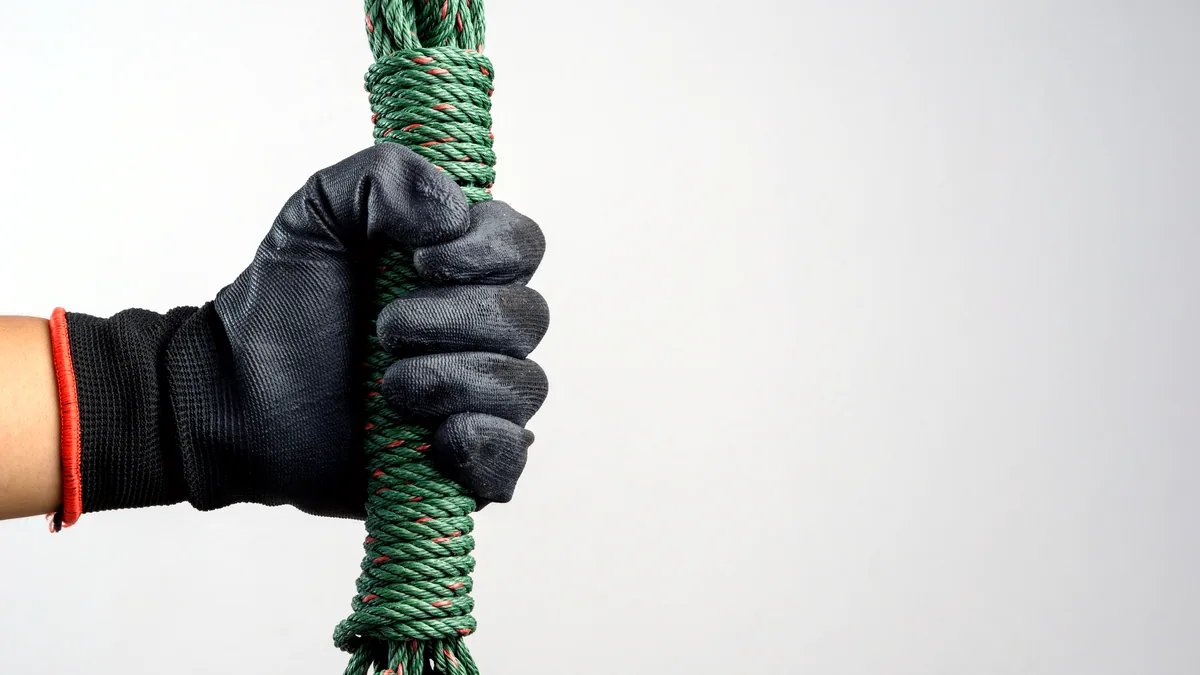
Snowboard gloves are the 100 g to 600 g insulated hand shells that seal your fingers or all 5 digits inside a single pocket, block wind, and keep moisture out through 30 minutes or more of riding at speeds up to 50 km/h (31 mph) without the cold creeps through. They are the single most replaced item in a snowboard pack, because a soaked pair at -10 C (14 F) turns a 2-hour session into a 20-minute one. The difference between a glove and a mitten is one design decision, and the difference between a dry hand and a frozen one is the membrane and the insulation trapped under it.
Beyond the hand, a full snowboard setup covers Snowboard gear from board to boots, and the same shop that stocks the gloves also lets you Pick a snowboard jacket, Choose snowboard boots, and browse Ski, snowboard and watersports kit, bought end to end in one catalog.
Gloves versus mittens for snowboard riding
Gloves versus mittens for snowboard riding comes down to one trade-off: dexterity against warmth. A glove isolates each of the 5 fingers, so you can grip a pole, zip a jacket, or adjust a binding without pulling the shell off. A mitten pools all 5 fingers in one chamber, and the shared body heat keeps the core temperature in that pocket up to 4 C (7 F) higher than a glove of the same insulation weight. Riders who spend most of the day on a chair lift or a magic carpet and only a few minutes per run actually moving tend to pick gloves for the fine motor work. Riders who spend 20 minutes or more per run at 40 km/h or faster in alpine terrain tend to pick mittens, because the cold wind load on exposed fingers makes the warmth gap decisive. A hybrid option, the gauntlet glove, splits the difference: separate fingers inside, a long overlapping cuff that seals under the jacket sleeve, and a thumb gusset that closes the gap where a plain cuff lets snow in.
Insulation weight and the cold threshold
Insulation weight and the cold threshold follow a simple scale measured in grams per square meter of synthetic fill or down. The table below maps the 4 common weight classes to the ambient temperature range where each one keeps a resting hand above 5 C (41 F).
| Insulation class | Fill weight | Comfort range | Typical use |
|---|---|---|---|
| Light | 100 g | -2 C to +8 C (28 F to 46 F) | Spring riding, slush days, warm laps |
| Medium | 200 g | -10 C to -2 C (14 F to 28 F) | Most resort seasons, mixed conditions |
| Heavy | 300 g | -18 C to -10 C (0 F to 14 F) | Backcountry, powder days, high wind |
| Extreme | 400 g to 600 g | -25 C and below (-13 F and below) | Guided expeditions, film shoots, record cold |
Synthetic fills such as Thinsulate, Primaloft, and Polartec Power Fill hold their loft even after a day of wet riding, which makes them the default for snowboard gloves that will see slush, spring corn snow, and a wet lift line. Down fill at 800 fill power or higher packs lighter and insulates per gram, but a single soak collapses the loft and the warmth drops to roughly half until it dries. If you ride in a resort that averages 8 C (46 F) in March and drops to -15 C (5 F) in January, a 200 g synthetic medium glove with a removable 100 g liner covers both ends of that range without buying a second pair.
Waterproof rating and breathability
Waterproof rating and breathability are two numbers printed on every glove tag, and they work in opposite directions. The waterproof figure, given in millimeters of hydrostatic head, tells you how much water pressure the membrane holds before it weeps. The breathability figure, given in grams of water vapor per square meter per 24 hours, tells you how fast sweat escapes. The 4 common pairing tiers are:
- 10 000 mm / 10 000 g/m2/24h: entry level, fine for a 2-hour session in dry powder above freezing
- 15 000 mm / 15 000 g/m2/24h: the resort standard, handles wet snow and a full 4-hour day
- 20 000 mm / 20 000 g/m2/24h: backcountry and mixed conditions, wet plus cold plus wind
- 28 000 mm / 25 000 g/m2/24h: expedition grade, 8-hour days in any weather
A glove rated 15 000 mm holds a 15-meter column of water without leakage, which in practice means it shrugs off a full day of wet snow at 0 C (32 F) where the slush is heavy and the wind drives it through every gap. Below 10 000 mm, a wet day at 5 C (41 F) starts seeping through the knuckles by hour 3. Breathability matters most in the warm half of the range: at 8 C (46 F) a 10 000 g membrane traps sweat and the inside soaks from the inside out, which is worse than a little cold because a wet liner chills the skin faster than air of the same temperature.
Closure, cuff, and the snow-proof seal
Closure, cuff, and the snow-proof seal determine whether the insulation and membrane you paid for actually stay on your hand. A hook-and-loop (Velcro) strap across the back of the wrist adds 1 layer of adjustment and keeps the cuff from sliding up when you grab a pole. A gauntlet cuff, 8 cm to 12 cm (3 to 5 in) long, overlaps the jacket sleeve by at least 3 cm so snow that runs down the arm hits the fabric, not the skin. The thumb gusset, a small elastic panel between the thumb and the index finger, closes the 2 cm gap that a plain cuff leaves open. Powder gaiters, a removable fleece or synthetic ring that snaps over the wrist, add a second barrier for riders who drop in steep lines where the wind throws snow at the hands from above. Check all 3 points before you buy: if the strap is too short to pull snug, if the cuff ends above the jacket seam, or if the thumb gusset is missing, the glove will let cold air in no matter how high the waterproof rating is.
Choosing the right pair for your riding style
Choosing the right pair for your riding style starts with the 3 numbers on your typical day: the lowest temperature you expect, the number of hours on the mountain, and the wetness of the snow. A rider who does 3 hours of spring park runs at 5 C (41 F) in slush needs a 200 g synthetic glove with a 15 000 mm membrane and a hook-and-loop strap; the warmth is more than enough and the waterproofing handles the wet. A rider who does 5 hours of backcountry laps at -12 C (10 F) in dry powder needs a 300 g synthetic or 800 fill down glove with a 20 000 mm membrane, a gauntlet cuff, and a powder gaiter, because the wind chill at -12 C in 30 km/h gusts drops the effective temperature below -20 C (-4 F) and the dry powder does not soak the shell but the cold does not stop at the cuff. A rider who splits the season between both needs the 200 g medium glove for the warm months and a 100 g liner to layer under it in the cold months, which costs less than buying 2 full pairs and keeps the fit consistent across the whole range.